
Quirky Query Hub playbook · 2 minute read
A round to try
Should game pieces get a holiday after every tournament?
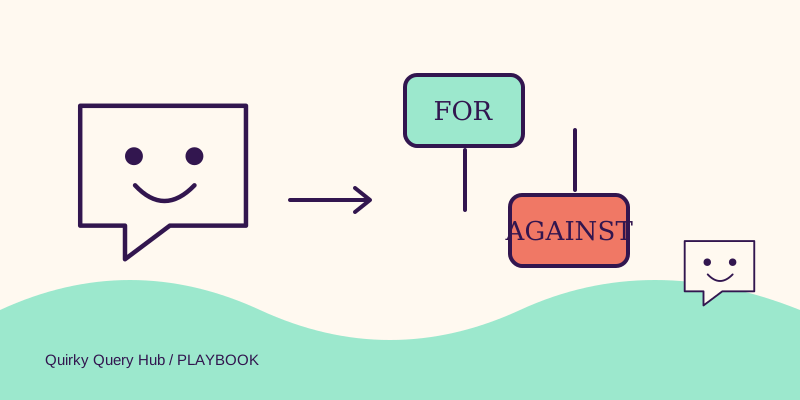
Use three compact rounds with new sides each time. Reassigning roles keeps the same person from always being the opposition.
Put it into practice
Change roles between rounds even when one player seems naturally persuasive. Defending the opposite position can produce a better joke and prevent the audience from voting by habit. Keep scores per round so a rough opening does not decide the session.
Use a balanced mini tournament
For a game-night rotation, pair players for one short debate at a time and let the remaining people form the audience. Read the proposition before assigning sides, then assign the sides randomly or by an agreed rotation. This keeps participants from treating a fictional position as a disclosure of their actual opinions. A topic about giving every town a tiny parade can generate arguments about delight, schedules, costumes, and imaginary traffic without requiring serious political or personal discussion.
Give each pair the same preparation and speech lengths. Record the audience size before voting and stop after that many votes, so a repeated click or a particularly enthusiastic supporter cannot change the result. Award the announced point once, including a shared outcome if your rules permit ties. If you want a final round, explain the qualification rule at the beginning rather than adding another match to favor a popular performer. Between debates, let the previous speakers choose a harmless topic for the next pair. Finish with an all-group proposition where everyone contributes a sentence to the same side. A game-night tournament benefits from a cooperative closer because it lets people who lost an earlier vote contribute a memorable line without having to win another formal contest first.
A few good questions
Should the same person always oppose?
Rotate roles between rounds. Reassignment keeps the activity from hardening into a personal pattern or habitual audience preference.